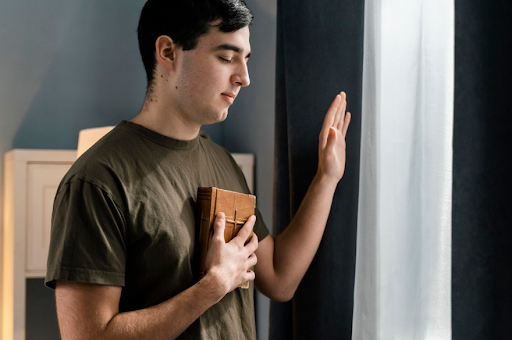
Introduction: Gratitude Is More Than a Mood
Have you ever woken up on the wrong side of the bed, scrolling through social media, and wondered why everyone else appears so calm, grateful, and put together? You might assume it’s luck or personality, but often it’s neither. It’s gratitude. Not the shallow kind of gratitude that says “thank you for my coffee,” but the profound, intentional kind that changes your mind and soul.
Gratitude is often seen as a transitory emotion that changes with the situation. But here’s the secret: being grateful is a powerful spiritual gesture. It can change how you see things, help you stop comparing yourself to others, and give you a greater sense of calm and purpose. You choose this every day, not just when life feels good.
Moreover, daily gratitude can lead to spiritual freedom. In the midst of chaos, it enables you to live with clarity, joy, and focus. In this blog post, we’ll talk about why gratitude is important, how it changes your mindset, and how to make it a habit that changes your life.
1. Gratitude Is More Than a Feeling
Why Most People Miss The Point
A lot of people think of passing emotion. When things are going well, they feel grateful, but when things are tough, they have trouble seeing the good things. Real gratitude isn’t based on what’s going on in your life; it’s a conscious choice to notice what’s meaningful, no matter what.
Gratitude as a Spiritual Practice
When you consciously practice gratitude, it becomes more than just a sentiment; it becomes a spiritual practice. It trains your heart to see God’s presence, provision, and guidance in everyday life. This kind of gratitude keeps things steady, even when your feelings change.
2. The Impact of Gratitude on Your Mindset
Shifts Your Focus from Lack to Abundance
Your brain is changed by gratitude. You stop focusing on what you don’t have and start seeing all the good things in your life, your connections, your chances, and even the lessons you may learn from problems.
Reduces Anxiety and Stress
You stop worrying when you intentionally think about what you’re thankful for. Gratitude helps you stay calm, see things from a different angle, and keep your emotions stable by focusing your mind on the positives.
Aligns You with God’s Perspective
A grateful heart is in line with what God wants for your life. It takes your mind off of worrying about yourself and puts it on faith, which lets you accept your path and become closer to spiritual freedom.
3. The Spiritual Power Move of Gratitude
It’s an Act of Obedience
Choosing gratitude, especially when things are tough, is an act of faith. It shows that you trust God’s plan, even when things are unclear. Gratitude becomes an intentional affirmation that you are a part of God’s work.
Strengthens Faith
The more you practice gratitude, the stronger your faith gets. Gratitude helps you remember how God has provided for you, which gives you confidence and strength when things go tough.
Influences Your Actions
Behavior is shaped by gratitude, which is not only internal. You make decisions that show kindness, generosity, and purpose when you live gratefully. This ripple effect makes relationships stronger, nurtures communities, and fosters a lifestyle that is in line with purpose and spiritual freedom.
4. Practical Ways to Cultivate Gratitude Daily
Begin with a Small and Straightforward Step
Every day, write down one to three things that you’re grateful for. A grateful heart that sees blessings beyond the obvious is continuously developed by small, intentional acts.
Reflect on Challenges
There are always lessons or chances to learn in even the hardest situations. When you choose to see these times with gratitude, challenges become opportunities.
Express Thankfulness to Others
Writing notes, sending texts, or saying nice things to someone else makes gratitude even stronger. It not only makes others feel better, but it also helps you remember how blessed you are.
Make Gratitude a Habit, Not a Mood
Being consistent is important. Gratitude is far more than a momentary feeling; it’s a lifestyle. Daily reflection, journaling, or even just being aware of your thoughts and feelings during the day can help you find spiritual freedom and ground yourself.
5. The Ripple Effect of Living Gratefully
Peace and Joy in Your Life
When you make it a habit to be grateful, your stress and anxiety will naturally decrease. Your mind and heart feel more alive, and life feels lighter and moments feel richer.
Healthier Relationships
Gratitude increases empathy, patience, and understanding. When you show appreciation in your encounters, your relationships get stronger, there are fewer disputes, and your connections become more meaningful.
Purpose-Driven Life
Your focus changes from self-centered gain to intentional life when you adopt a grateful mindset. It inspires you to help others, see opportunities, and act with purpose, which will build your faith and provide you with spiritual freedom.
To Sum Up
Gratitude is more than just expressing “thank you” or experiencing brief joy. Your mindset will change, your actions will be in line with your purpose, and you will experience spiritual freedom as a result of this conscious spiritual choice.
Today, pay attention to the good things in your life, think about the problems you face with purpose, and thank the people around you. Gratitude may become more than just an emotion if you practice it regularly. It can become a lifestyle, a spiritual power move that strengthens your faith, lifts your spirits, and opens doors to lasting joy and peace.
Are you ready to find more serenity and purpose? Get Solomon Okang’s book “You Only Live Once Plus One“ and learn how being thankful every day may change your mindset, redirect your behavior, and lead to real spiritual freedom. Today is the day to begin your path to a joyful, intentional life.